Hotel Key Card Buying Guide: Compatibility, Materials, Artwork & Testing
How to buy hotel key cards: verify lock compatibility, select credential material, approve artwork and samples, coordinate sleeves, and plan secure reorders.
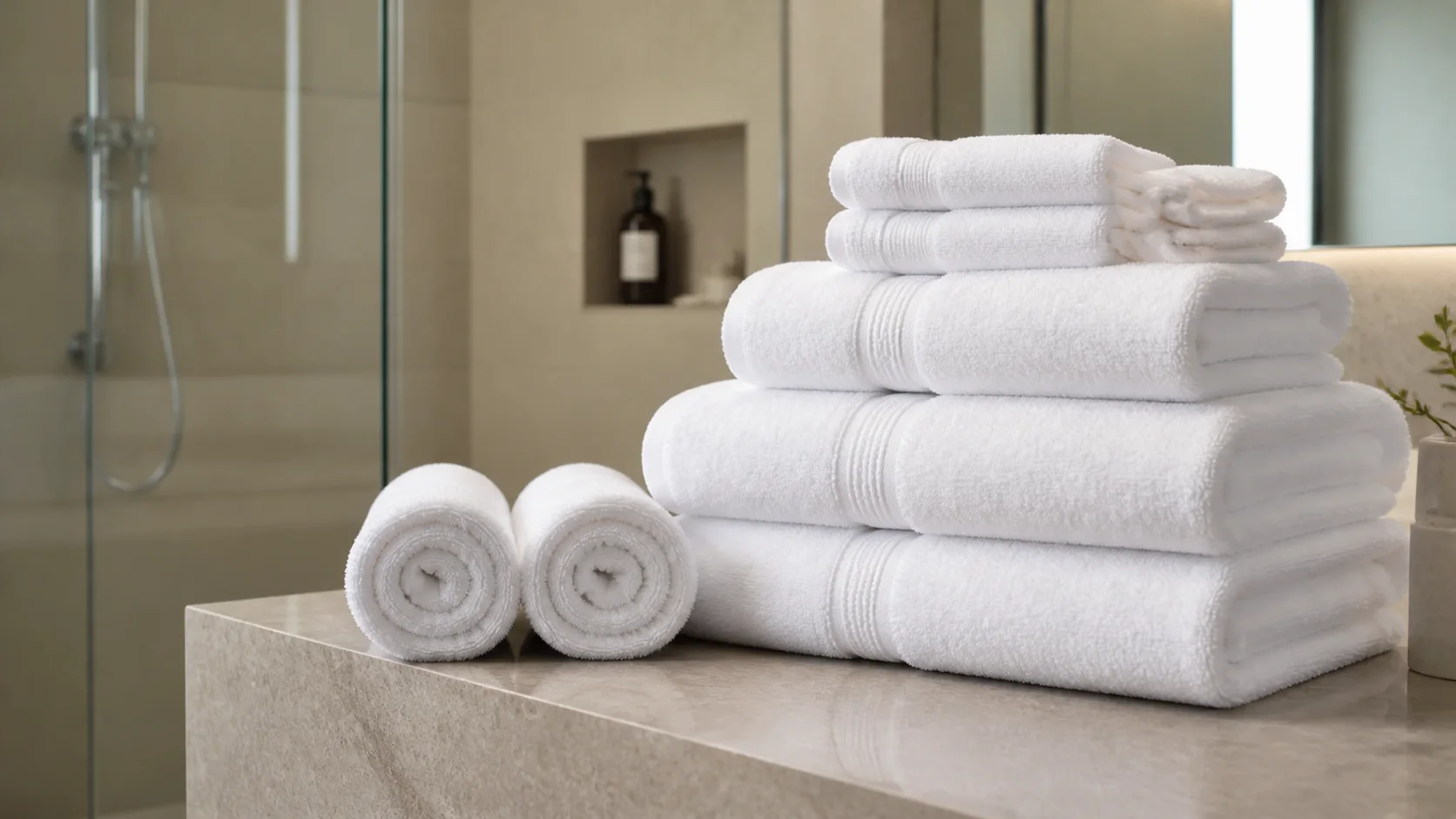
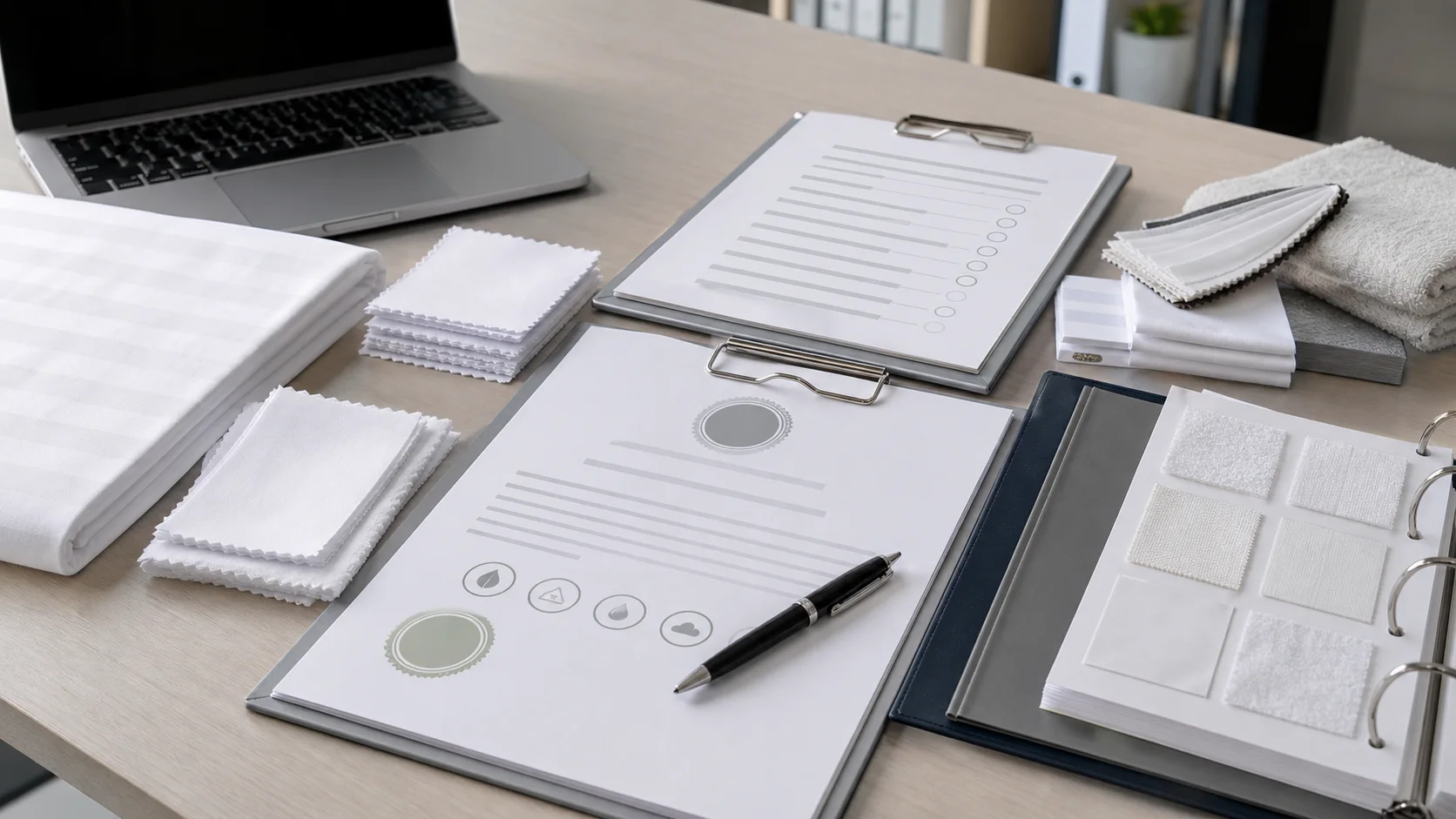
Materials and operations, shown together.
Product detail and back-of-house context help connect each specification choice to how the item looks, launders, stores, or survives service.
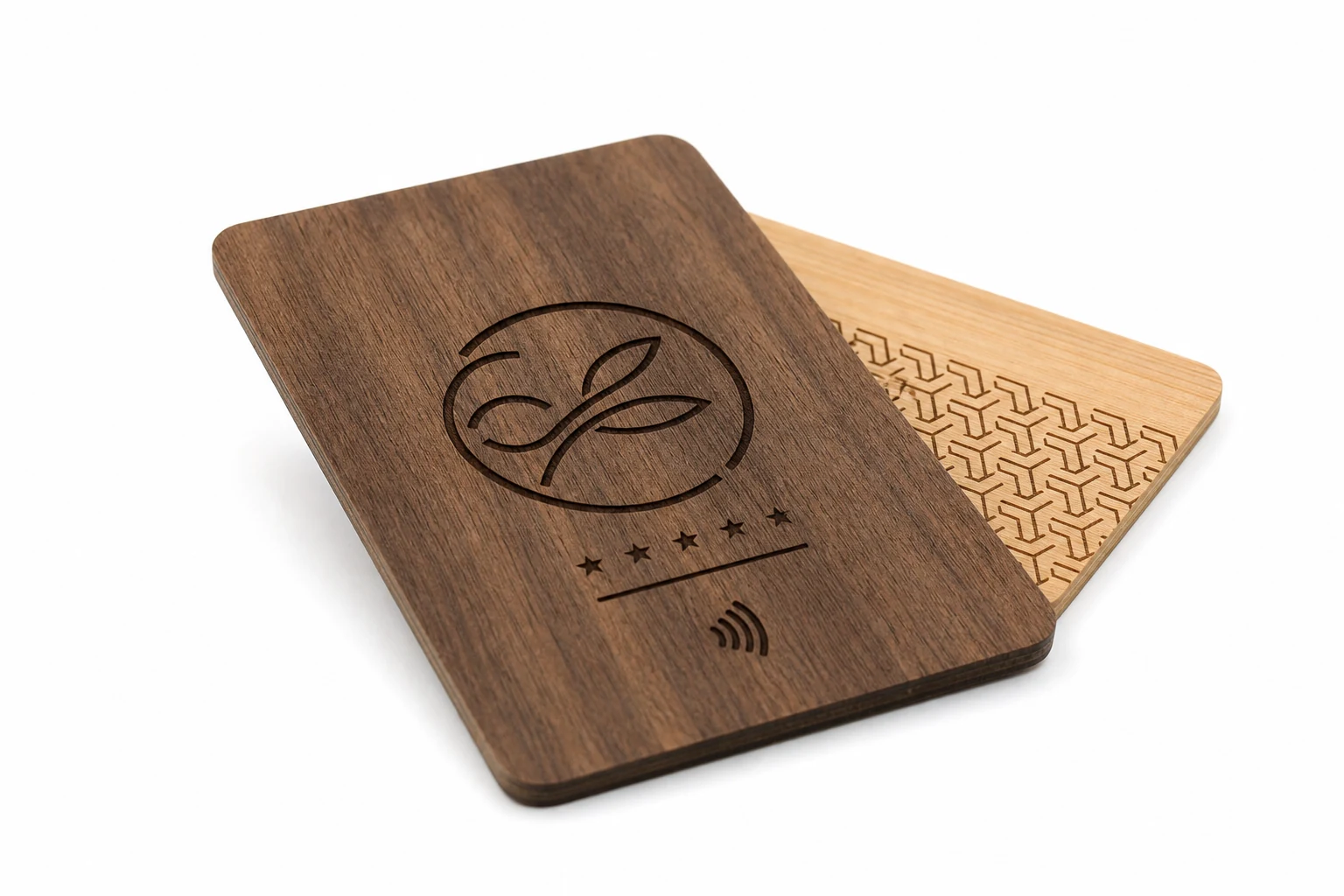
A hotel key card has two jobs. It must work reliably with the property’s installed access environment, and it must present the hotel correctly at check-in. Treating it as a simple printed card puts both jobs at risk. A visually correct card can use the wrong credential construction; a technically correct card can still arrive with weak artwork, inconsistent finishes, or no practical reorder plan.
This guide gives front office, IT, security, rooms division, and procurement teams a clear buying sequence for contactless hotel cards, magnetic-stripe cards where still required, and the sleeves used to present them.
Key takeaways
- A hotel key card is not universal. Identify the installed lock environment and credential requirement before choosing material or artwork.
- Send an existing working sample and the relevant system information with the RFQ whenever possible.
- Approve a finished, encoded sample in the hotel’s own workflow before releasing production.
- Select material, print, and finish together; not every construction supports the same appearance or credential requirement.
- Develop the card and key card sleeve as one check-in set.
- Record the approved specification and reorder process so future batches remain consistent.
Start with the lock environment—not the artwork
The first procurement question is not “PVC or wood?” It is “What credential does the installed system require?” The RFQ should identify the lock environment, card technology, encoding workflow, card dimensions, and any existing sample that currently works.
Avoid approving a card based only on a verbal statement that it is “RFID compatible.” Contactless credentials can differ in technology, data format, and system configuration. The hotel or its authorised lock-system partner should confirm the requirement, and the property should test the finished sample before production.
InnSupply’s custom hotel key cards are therefore specified around the stated lock environment rather than sold as a universal credential.
Information to include in a key card RFQ
Provide the supplier with:
- property name, destination, and opening or replenishment date;
- lock-system environment and required credential technology;
- existing working card sample, where available;
- encoder and front-desk workflow information relevant to testing;
- standard CR80 or property-specific dimensions;
- estimated opening quantity and annual usage;
- required material, print coverage, finish, and artwork;
- packing quantities and delivery schedule;
- physical sample and hotel test requirement before production.
If any compatibility detail is uncertain, keep it as an open approval item. Do not replace a missing technical answer with an assumption.
Contactless cards and magnetic stripe
Many current hotel systems use contactless credentials, often described broadly as RFID key cards. Guests tap or present the card near the reader, and the property encodes access through its approved system workflow. Other properties continue to use magnetic stripe, and some projects need a specific legacy or mixed arrangement.
The visible card format may look similar, but the internal credential and encoding requirement can be different. That is why procurement should never substitute one technology based on appearance. Confirm what the locks and encoder require, then test a production-equivalent sample at reception and at representative guestroom doors.
Choosing the card material
For a manufacturer-level view of credential construction, RFID options, printing, and finishes, review PrintPlast’s hotel key cards range.
PVC
PVC is the familiar hotel card construction: consistent, printable, and available with a wide range of surface finishes. It remains useful where the lock environment, durability expectation, budget, and artwork call for it.
Recycled PVC
Recycled-content PVC can reduce reliance on virgin material while preserving a conventional card feel. Ask what recycled claim is supported, how the surface may vary, and whether the finished credential has been validated for the project requirement.
Plant-fibre composite
Plant-fibre composite cards provide a visibly different material direction and can support a lower-plastic guest story. Colour, texture, print density, edge appearance, and credential construction may differ from standard PVC, so approve the actual finished card rather than a digital rendering.
Wood
Wood cards create a tactile, premium presentation and work well with engraving or material-led design. Natural tone and grain variation are part of the appearance. Thickness, flex, print method, engraving, and compatibility must all be confirmed through a finished sample.
No material is automatically “sustainable” in every project. Consider verified material content, expected service life, transport, local waste routes, and whether the card can reliably complete its intended use.
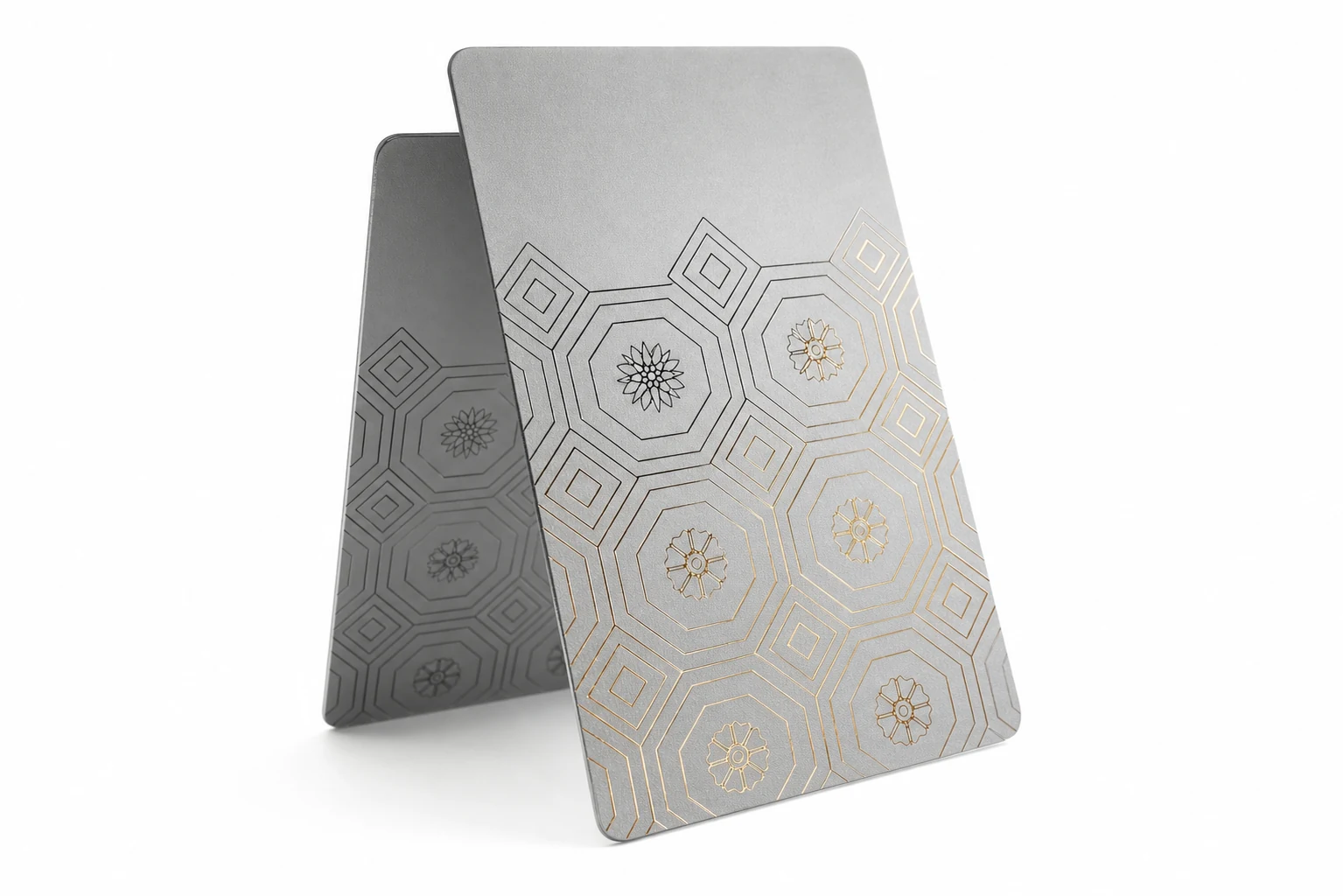
Artwork and finishing decisions
Build the artwork around the real card construction. The approval should state:
- front and back artwork;
- colour references and acceptable variation;
- full-colour print, spot colour, engraving, foil, emboss, deboss, or other finish;
- gloss, matte, textured, or material-led surface;
- orientation and any reserved technical zones required by the credential construction;
- version control for properties, buildings, or guest tiers;
- packaging order and carton labels.
Avoid putting permanent room numbers or guest-identifying information on reusable cards. Operational information is better handled through the sleeve or the property’s approved front-desk process.
Test a finished sample before production
A digital proof checks layout. It does not prove credential performance, encoding, card handling, colour on the selected substrate, finish durability, or fit inside the sleeve. The physical approval sequence should include:
- supplier confirmation of the proposed credential construction;
- digital artwork proof;
- production-equivalent finished sample;
- encoding through the hotel’s normal front-desk workflow;
- testing on representative locks and relevant access points;
- visual and dimensional review with the selected sleeve;
- written approval before bulk production.
Record who performed the test, which environment was used, and which sample became the approved control. Keep that reference for reorders.
Coordinate cards and sleeves
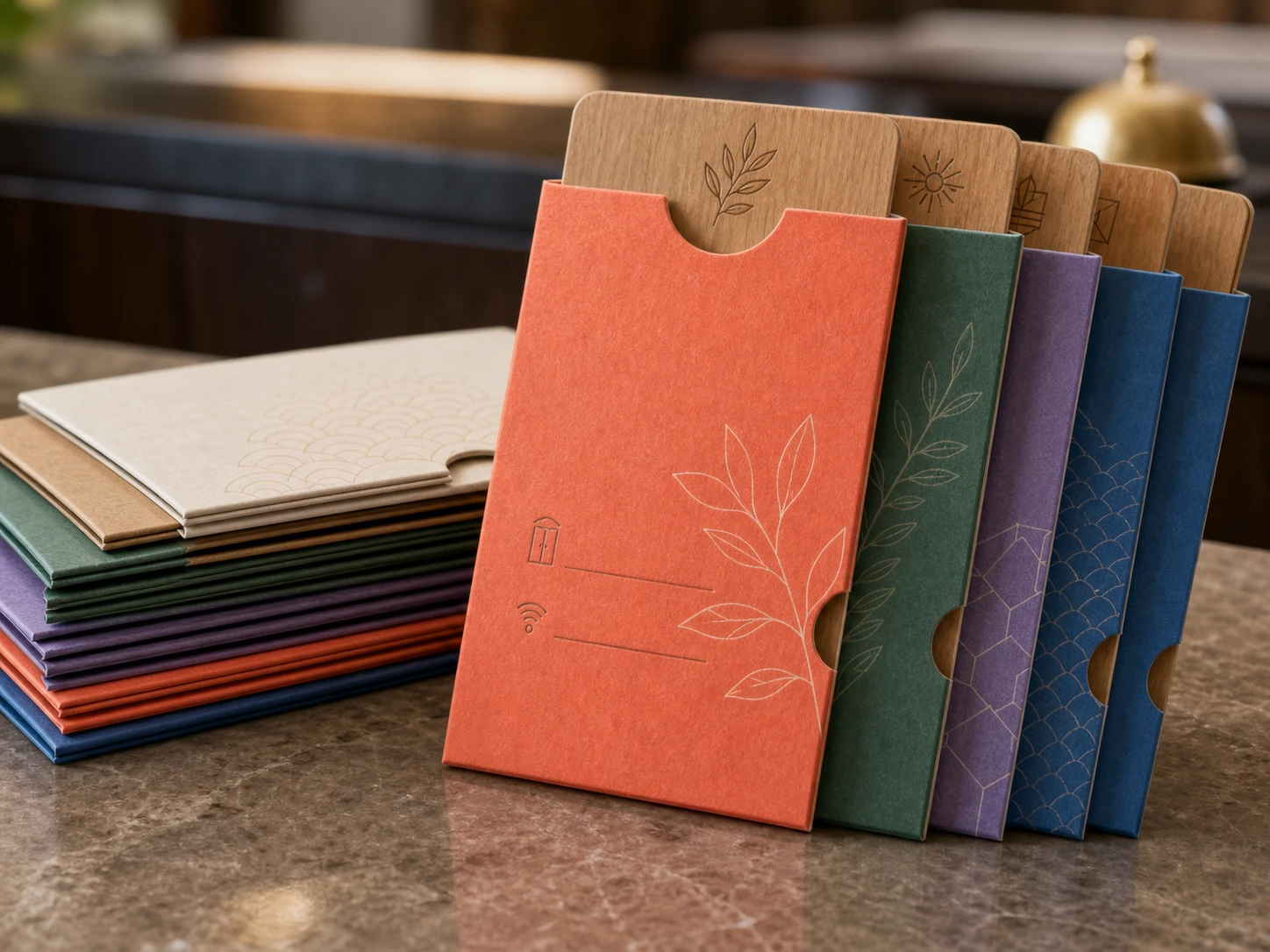
A sleeve protects the card and turns the handover into a useful guest touchpoint. It can carry writable or printed fields for room number, departure, Wi-Fi instructions, wayfinding, breakfast, or contact information without placing those details permanently on the credential.
Specify the custom key card sleeve against the finished card dimensions. Decide between a single-pocket sleeve and a folded wallet, then approve stock, print, thumb notch, closure, writable areas, and premium finishes such as foil, emboss, or deboss.
For a coordinated arrival journey, review the complete Guest Access & Identity programme covering cards, sleeves, and room-door communication.
Quantity and reorder planning
Key cards are a recurring operating item. Opening quantity should cover the room count, front-desk circulation, training, testing, damaged or unreturned cards, and the lead time before the next order. Annual usage gives a better basis for pricing and production planning than room count alone.
Before the first order, agree:
- minimum order quantity and price breaks;
- production and transit lead time;
- packing quantity per box and carton;
- artwork and credential version records;
- reorder approval contact;
- whether a retained control sample will be used for colour and construction matching.
Do not overbuy simply to reach a price tier if the hotel expects a brand change, system migration, or renovation that may make the stock obsolete.
FAQ
Will every RFID hotel key card work with every hotel lock?
No. “RFID” is a broad description, not a compatibility guarantee. Confirm the installed lock environment, credential requirement, and encoding workflow, then test a finished sample at the property.
Can a hotel key card be made from wood or recycled material?
Yes, for suitable projects and credential requirements. The card material, internal credential, thickness, print or engraving method, and finished performance must be approved together.
Should the room number be printed on the key card?
Usually no. Permanent room information on a reusable credential creates unnecessary operational and privacy risk. Put variable guest information on the sleeve or use the property’s approved check-in method.
Why order sleeves with the cards?
Cards and sleeves should fit physically and share one artwork system. Reviewing them together also lets the hotel move guest information and promotional messaging onto the sleeve while keeping the credential itself clean and reusable.
What should be tested before bulk production?
Encode a production-equivalent finished sample through the normal hotel workflow, test it on representative locks and access points, and approve its dimensions, artwork, surface, and sleeve fit in writing.
Buy the access set as a controlled specification
Reliable hotel key cards come from a controlled approval process: identify the system requirement, select the construction, approve artwork, test the finished credential, and preserve the specification for reorders. Review custom hotel key cards, coordinate printed sleeves, or request an access specification for a new opening or replacement programme.