Hotel Furniture Procurement Guide: From Area Schedule to Installation
A practical hotel furniture procurement guide covering contract construction, room schedules, finishes, mock-ups, logistics, installation, and RFQ requirements.
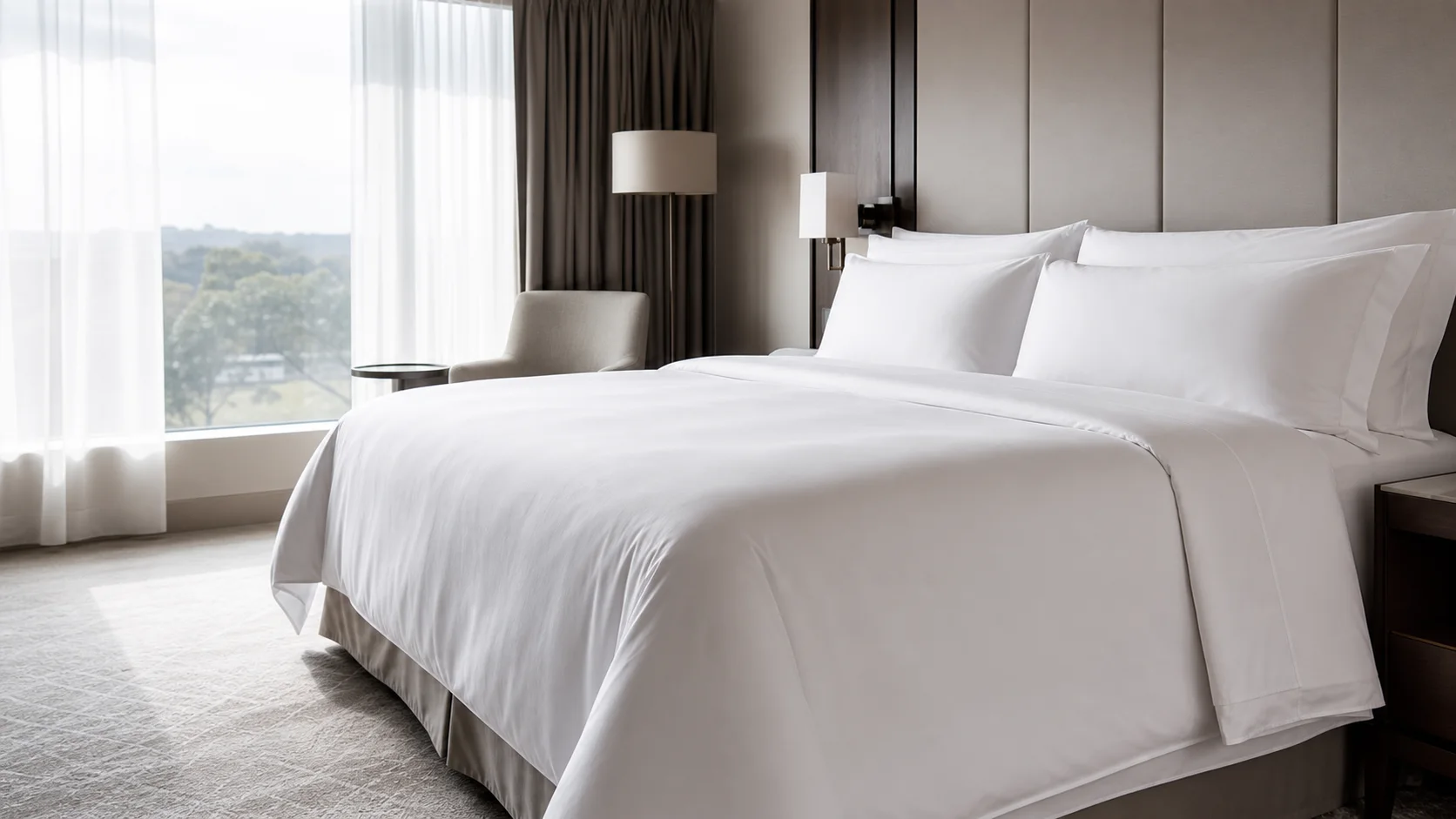
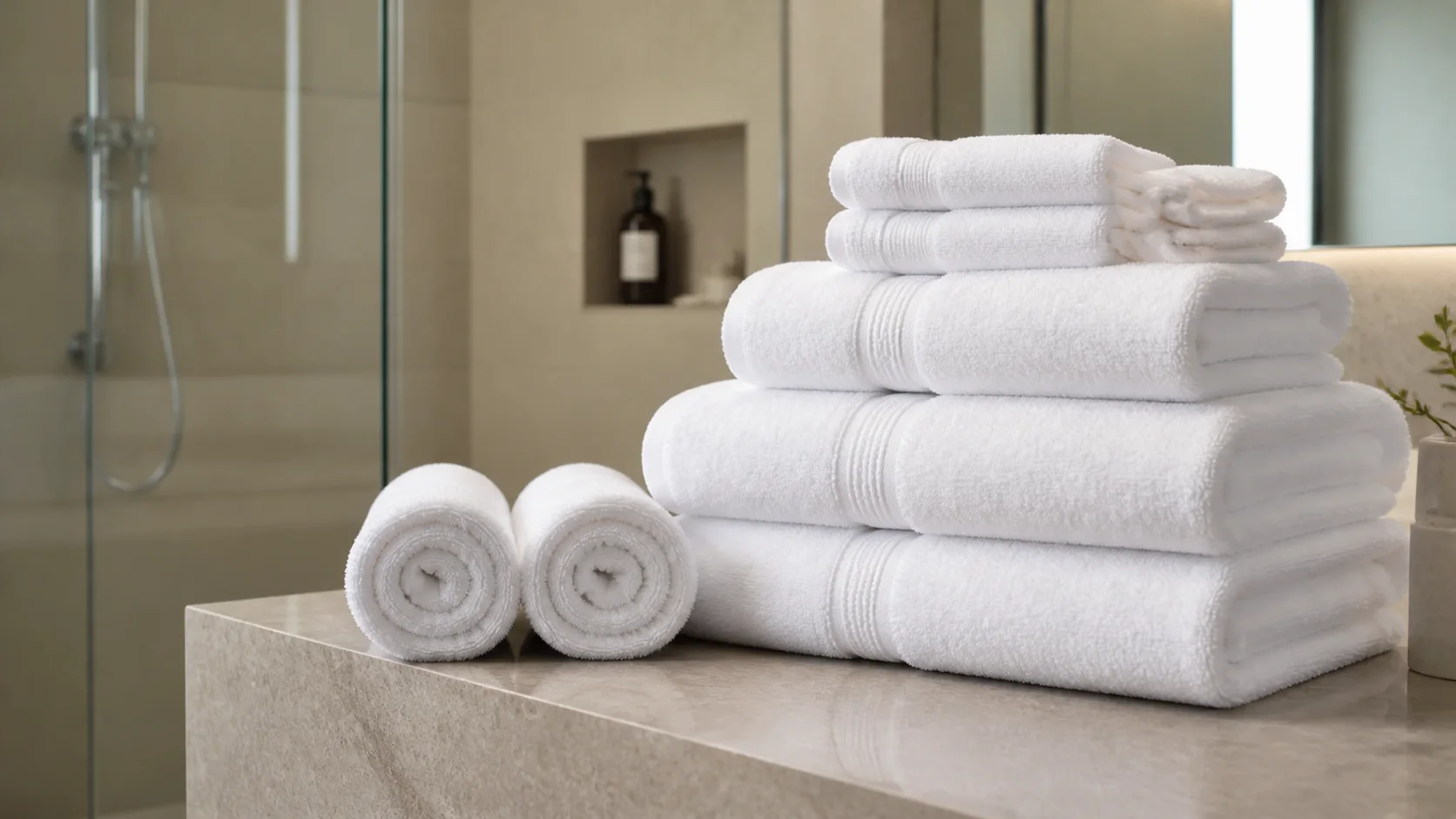
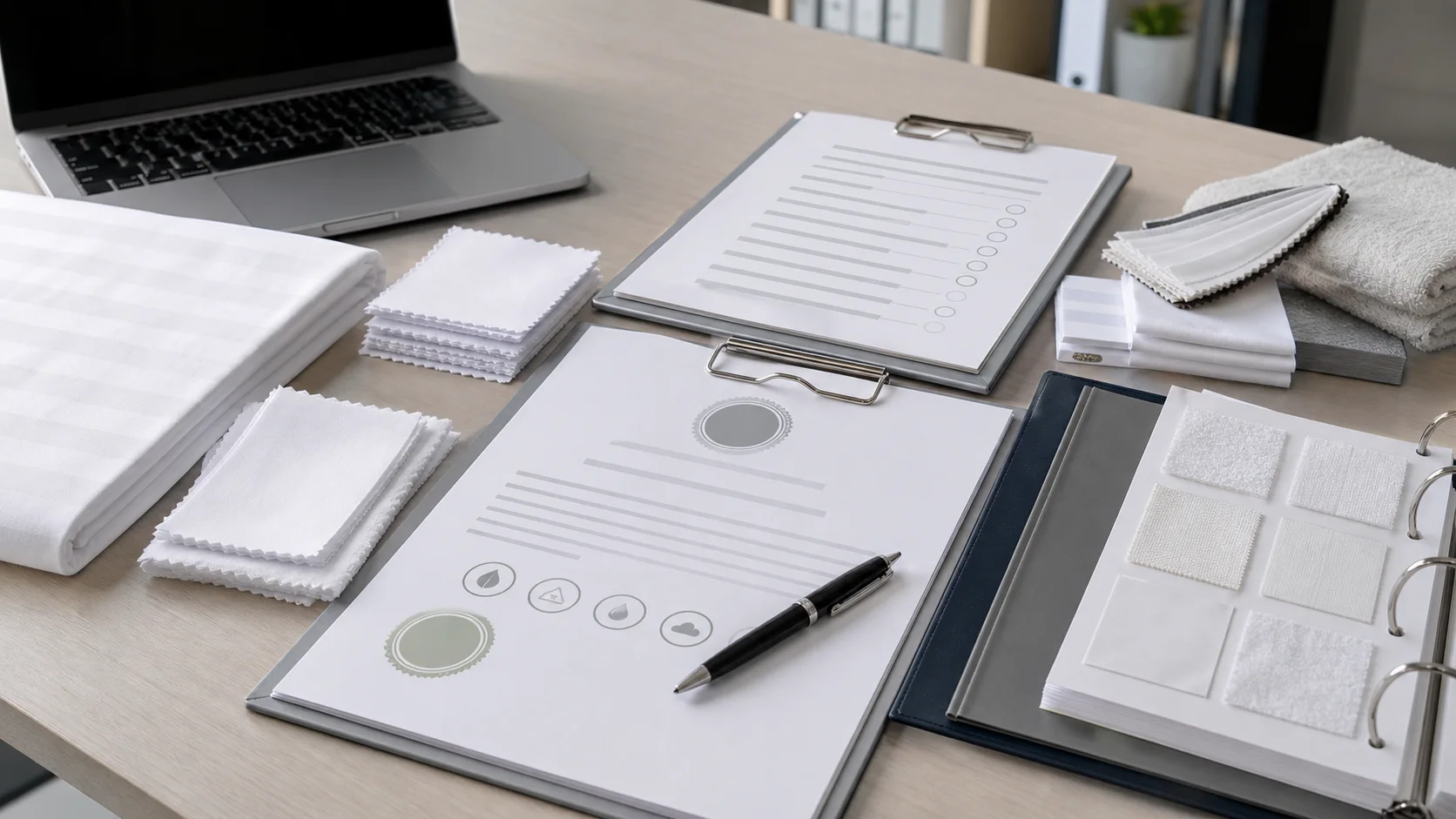
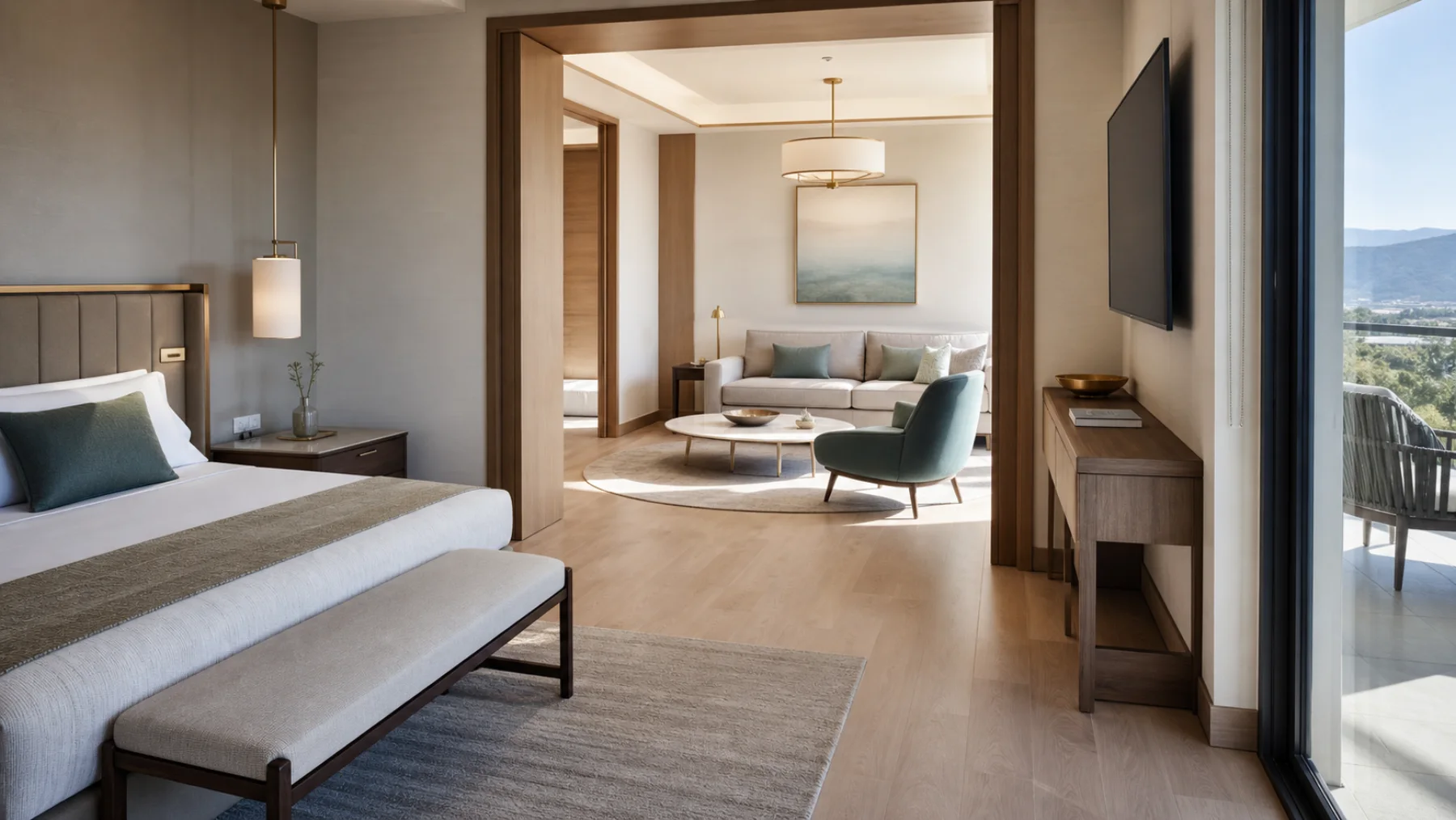
Materials and operations, shown together.
Product detail and back-of-house context help connect each specification choice to how the item looks, launders, stores, or survives service.
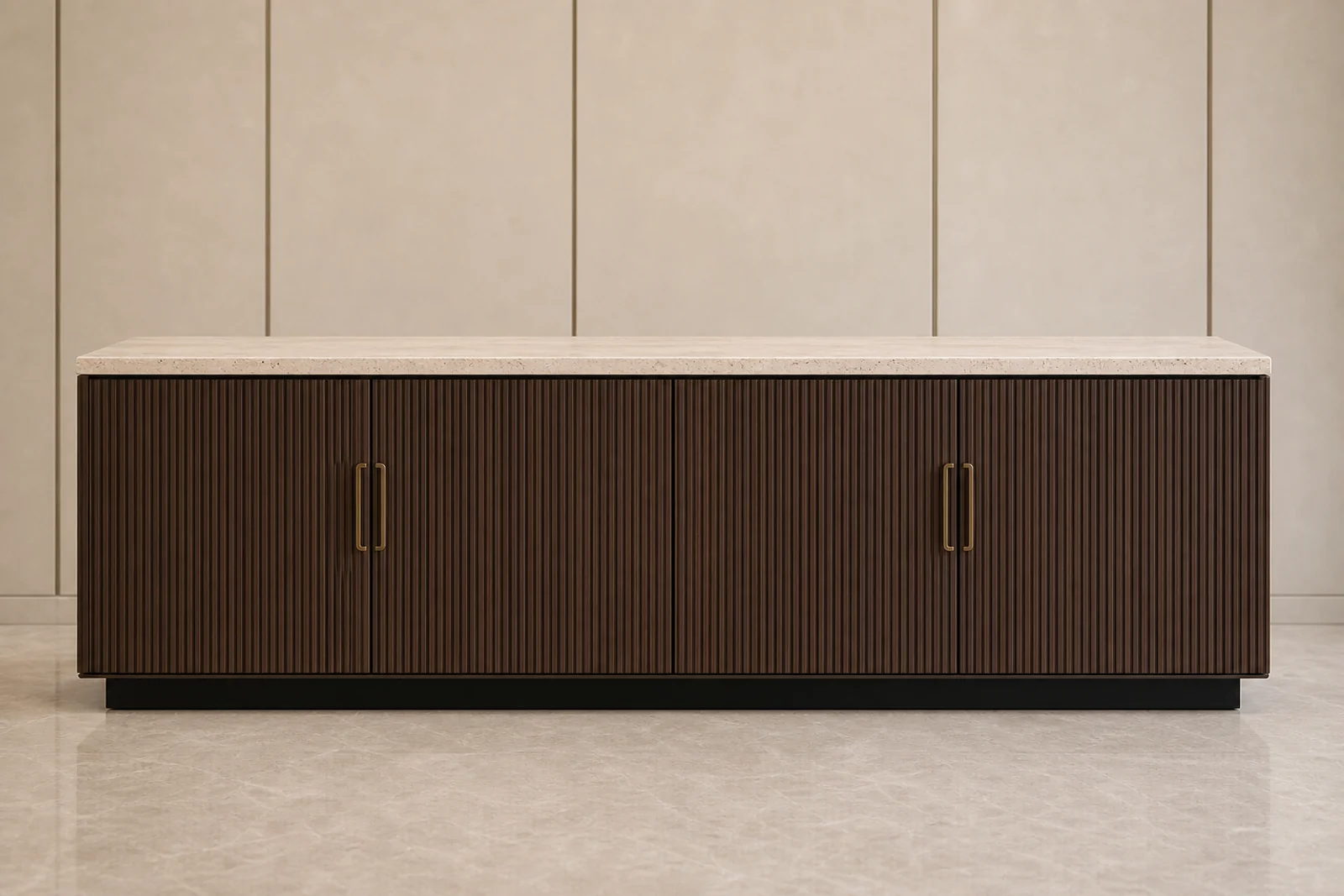
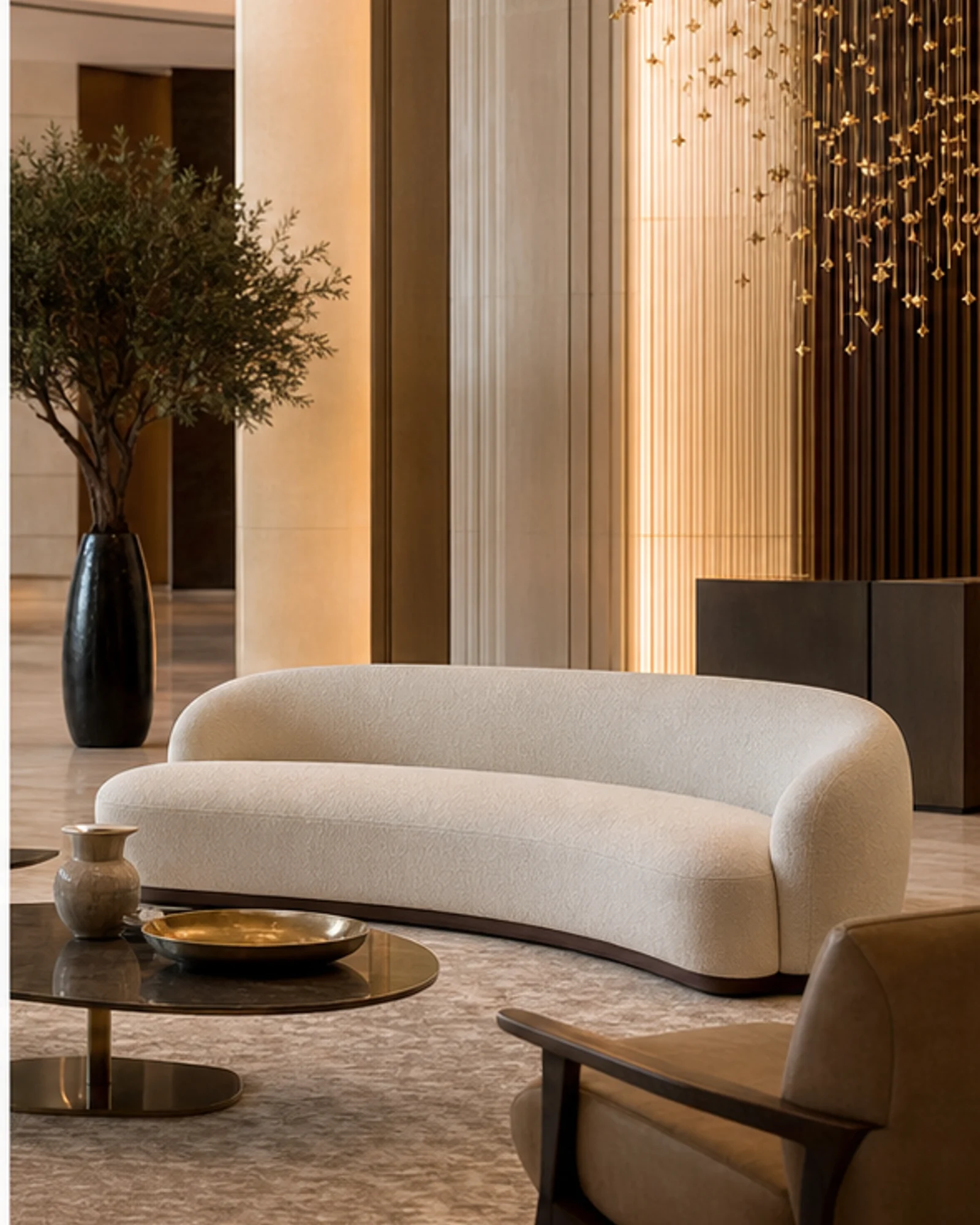
Hotel furniture is not a collection of isolated chairs, beds, and tables. It is a coordinated FF&E programme tied to room types, floor plans, operating standards, brand finishes, delivery sequencing, and installation access. A piece may look correct in a rendering and still fail the project if it blocks housekeeping, cannot pass through the service lift, stains too easily, or cannot be reproduced for the next refurbishment.
This guide explains how to turn design intent into a procurement-ready hotel furniture specification. Use it when comparing suppliers, building an RFQ, preparing a mock-up room, or coordinating a full opening across guestrooms, public areas, restaurants, and outdoor spaces.
Key takeaways
- Start with an area and quantity schedule, not a furniture catalog.
- Specify construction, dimensions, materials, finishes, performance, and maintenance for every item.
- Treat guestroom, lobby, restaurant, and outdoor furniture as different operating environments.
- Approve physical finish samples and representative mock-ups before releasing production.
- Plan packing, access, delivery sequence, assembly, installation, and attic stock as part of the purchase.
- Keep every approval in one written schedule so replacement orders can reproduce the same result.
Contract furniture is different from residential furniture
Hotel furniture works longer hours and serves more users than domestic furniture. Guestroom drawers, lobby seating, restaurant chairs, pool loungers, and bedside surfaces are handled, cleaned, moved, and inspected repeatedly. Contract suitability therefore depends on more than appearance.
A procurement team should ask how the frame is built, how joints are reinforced, how upholstery can be cleaned, whether glides and hardware can be replaced, and which performance or fire requirements apply at the project location. The correct answer varies by item and jurisdiction, so the RFQ should record the project requirement rather than rely on a broad “commercial grade” claim.
The InnSupply Furniture & Interiors collection organises the scope into bedroom, living, dining, seating, outdoor, and lighting families so buyers can build the schedule by hotel area.
Begin with the property schedule
Create one line for every furniture type and assign it to a room type, outlet, or public area. The schedule should record:
- item code and plain-language description;
- area, room type, or outlet;
- quantity per room and total project quantity;
- overall dimensions and critical clearances;
- approved materials, upholstery, finish, and colour reference;
- performance, cleaning, and local compliance requirements;
- sample or mock-up approval status;
- packing, assembly, installation, and spare-stock requirements.
This prevents a common opening-stage failure: approving a beautiful item without confirming how many versions the property actually needs. A bedside table may require left- and right-hand configurations. A sofa bed needs open-bed clearance. A restaurant chair must work with the selected table height. An outdoor lounger needs enough circulation space for staff and guests.
Specify by operating environment
| Hotel area | Main specification priorities | Relevant InnSupply products |
|---|---|---|
| Guestrooms | Compact dimensions, cleanability, luggage impact, cable access, replaceable hardware | Beds and bedroom furniture |
| Lobby and lounge | High-use frames, upholstery performance, modular planning, sightlines and circulation | Curved lobby sofa |
| Restaurants and bars | Chair/table geometry, floor glides, wipeable finishes, repeated movement and stacking where required | Upholstered restaurant dining chair |
| Pool and terrace | Outdoor-rated frames, drainage, UV and moisture exposure, replaceable cushions and covers | Contract pool chaise |
| Decorative lighting | Dimensions, mounting, electrical requirement, finish consistency and replacement access | Hotel lighting collection |
One finish specification should not be copied blindly across these zones. A lobby fabric, restaurant tabletop, guestroom veneer, and poolside cushion face different risks and need separate approval criteria.
What every furniture line item should contain
Dimensions and ergonomics
Record overall width, depth, and height plus the dimensions that affect use: seat height and depth, arm height, table clearance, mattress size, drawer travel, open-door clearance, and any required wall fixing. Check the dimensions against the actual plan rather than a typical room.
Construction and materials
State the intended frame, substrate, joinery approach, foam or cushion construction, tabletop build-up, edge detail, hardware, and protective glides. Where the design can be achieved through more than one construction method, ask the supplier to identify the proposed build in the quotation.
Finish and colour control
Names such as “walnut,” “brushed brass,” or “warm grey” are not enough for repeatable production. Approve a physical control sample that records veneer tone, stain, sheen, metal finish, stone appearance, upholstery colour, and acceptable natural variation. Keep one signed reference with the project team and one with production.
Cleaning and maintainability
Ask how housekeeping should clean each surface and which chemicals or methods should be avoided. Confirm whether upholstery covers, glides, hinges, handles, cushions, and electrical components can be replaced independently. A maintainable product usually costs less over the operating life even if its opening price is higher.
Use samples and mock-ups to remove ambiguity
A material board proves colour and touch; it does not prove scale, comfort, stability, clearances, or cleaning access. Use a staged approval sequence:
- Technical review: drawings, dimensions, materials, construction, and project requirements.
- Finish samples: upholstery, veneer, stain, metal, stone, laminate, and hardware.
- Representative prototype or mock-up: the items with the highest quantity, guest contact, or dimensional risk.
- Mock-up room or area review: furniture positioned with lighting, power, curtains, floor finishes, and operational clearances.
- Signed production release: one controlled specification incorporating every accepted revision.
Photograph the approved mock-up, but do not let photographs replace signed measurements and material references. Camera colour and perspective are not production controls.
Plan delivery and installation before production
Furniture can be manufactured correctly and still arrive incorrectly for the site. Confirm the following before the order is released:
- shipping terms, packing method, carton marks, and item codes;
- whether pieces arrive assembled, knock-down, or in modules;
- doorway, corridor, service-lift, stair, and loading-bay constraints;
- floor-by-floor or room-by-room delivery sequence;
- installation responsibility, fixing requirements, protection, and waste removal;
- inspection process for shortages, transit damage, and finish variation;
- attic stock for high-wear or difficult-to-reproduce items.
For phased refurbishments, identify which rooms can receive furniture on each delivery window. For openings, align furniture arrival with finished floors, protected circulation routes, and room handover—not simply the earliest factory completion date.
Hotel furniture RFQ checklist
Send suppliers the same information so quotations remain comparable:
- property location and programme dates;
- drawings, room types, area schedule, and quantities;
- dimensioned item specification or design reference;
- construction and material requirements;
- finish, upholstery, and colour references;
- applicable performance and local compliance requirements;
- required samples, prototype, and mock-up sequence;
- packing, labelling, spare parts, and attic stock;
- delivery access, sequencing, assembly, and installation scope;
- warranty, replacement-part availability, and reorder expectations.
FAQ
What does FF&E mean in a hotel project?
FF&E means furniture, fixtures, and equipment. In practice, the furniture portion includes movable and fitted pieces such as beds, bedside tables, desks, sofas, lounge seating, restaurant tables and chairs, outdoor furniture, and decorative lighting.
Should every hotel furniture item have a prototype?
Not always. Prioritise prototypes for high-quantity items, guest-contact seating, complex custom pieces, and products with critical dimensions or finishes. Lower-risk pieces may be approved through drawings and material samples when the construction is already proven.
How much spare hotel furniture should be ordered?
There is no universal percentage. Set attic stock by failure risk, lead time, uniqueness, storage capacity, and how damaging one missing item would be to room availability or brand consistency.
Can one supplier coordinate furniture for several hotel areas?
Yes, provided every item remains separately specified and approved. Consolidation can simplify finish coordination, documentation, shipping, and accountability, but it should not weaken technical review by area.
Build the furniture specification before requesting price
The most useful quotation is not the cheapest total on an undefined list. It is a line-by-line response to a controlled schedule that design, operations, procurement, and installation teams can all read. Browse Furniture & Interiors or request a project specification to turn room and area requirements into a comparable RFQ.